

# Vetopet – Stress-free veterinary care at home, 7 days a week in Brussels, for dogs and cats!
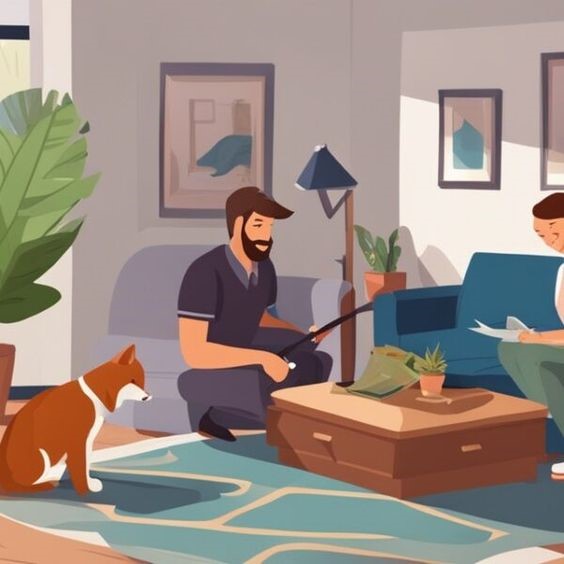
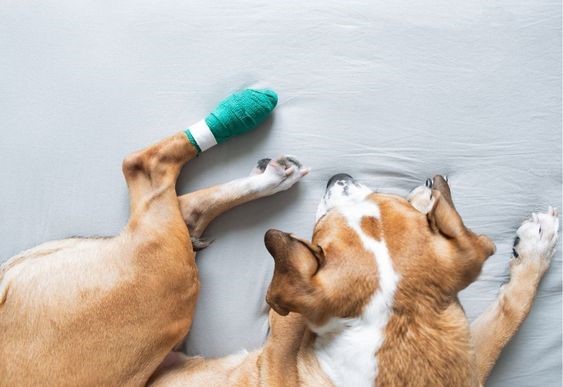

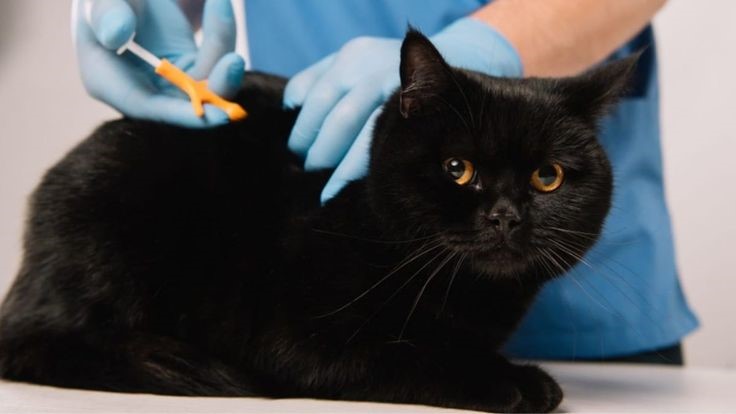
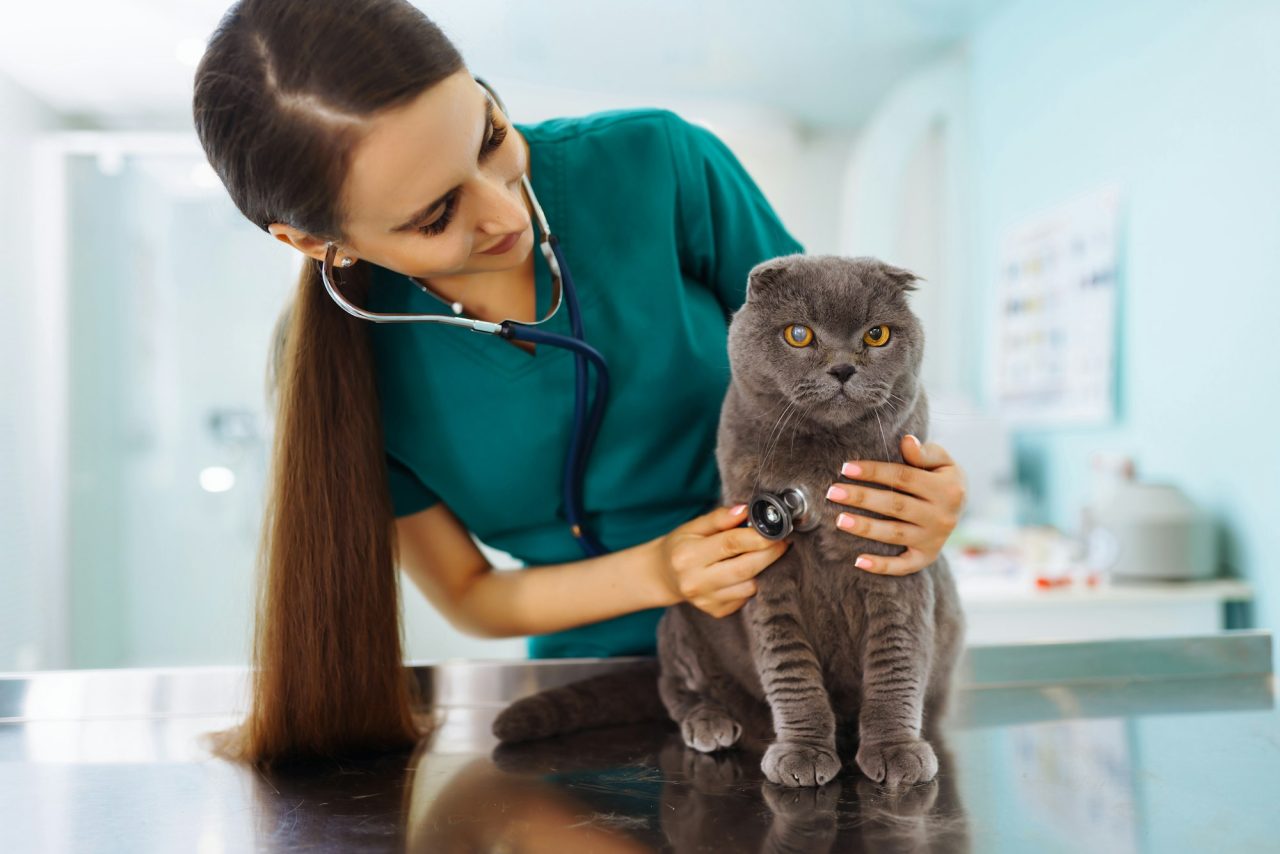
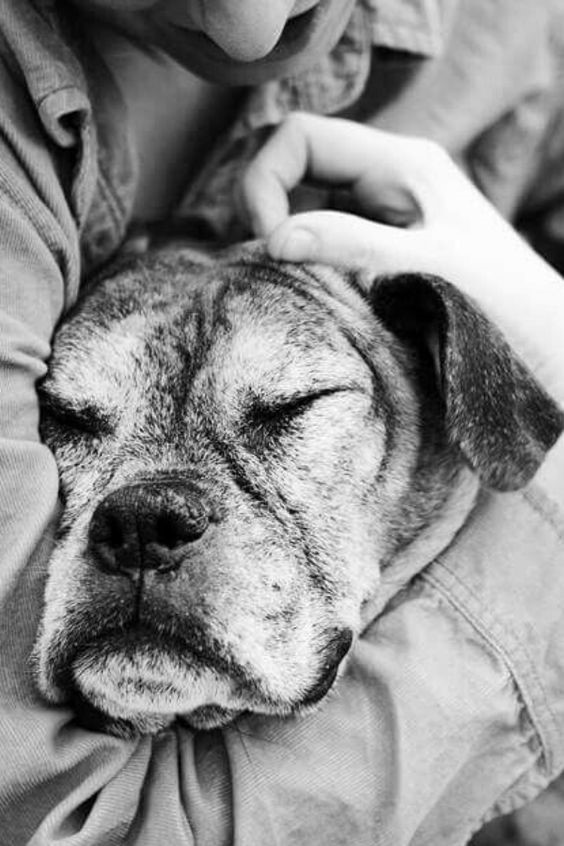
Exceptional Care for Your Pets, in Your Own Home!
Stress-free visit
Keep your pet in its familiar environment. Our team ensures that stress is minimized for the well-being of your four-legged companion.
Your Expert Veterinarian
Our veterinarian understands that your pet is much more than a patient. He or she establishes a relationship of trust with you and your companion, guaranteeing personalized and attentive care.
Well-being for Your Four-Legged Friend
Our preventive home care services contribute to your pet's well-being in its familiar environment, with special attention paid to the monitoring and comfort of senior pets.
Traceability
At the end of the consultation you will receive the final report as well as your referring veterinarian!
Blog

L’été, la chaleur, l’humidité et les baignades peuvent favoriser l’apparition de hotspots chez le chien, aussi appelés dermatites aiguës suintantes.
Un hotspot est une zone de peau rouge, irritée, humide ou suintante. Il peut apparaître rapidement et provoquer de fortes démangeaisons. En se léchant, se mordillant ou se grattant, le chien peut aggraver la lésion en peu de temps.
Comment reconnaître un hotspot ?
Les principaux signes d’un hotspot chez le chien sont :
- une zone de peau rouge et irritée ;
- une perte de poils localisée ;
- une peau humide ou suintante ;
- des croûtes ;
- une mauvaise odeur ;
- des démangeaisons importantes ;
- une lésion qui s’étend rapidement.
Les hotspots peuvent apparaître sur différentes parties du corps, notamment le cou, la tête, le dos, les hanches et les pattes.
Pourquoi les hotspots apparaissent-ils en été ?
La chaleur et l’humidité peuvent favoriser les irritations cutanées. Après une baignade, un pelage qui reste humide peut également créer un environnement favorable au développement d’un hotspot.
Plusieurs facteurs peuvent provoquer ou aggraver les démangeaisons :
- les allergies ;
- les piqûres d’insectes ;
- les puces et autres parasites ;
- les irritations cutanées ;
- le léchage ou le grattage répété.
Les démangeaisons peuvent rapidement créer un cercle vicieux. Plus le chien se gratte ou se lèche, plus la peau est irritée, ce qui peut entraîner une aggravation rapide de la lésion.
Que faire en cas de hotspot ?
Si votre chien présente un hotspot, essayez d’abord d’éviter qu’il puisse se lécher, se mordiller ou gratter la zone.
N’utilisez pas de produits humains sans avis vétérinaire.
Une consultation vétérinaire est recommandée si le hotspot est :
- étendu ;
- très rouge ou douloureux ;
- fortement suintant ;
- malodorant ;
- en train de s’agrandir rapidement ;
- ou s’il ne s’améliore pas.
Le vétérinaire pourra examiner la peau, identifier les facteurs à l’origine des démangeaisons et proposer un traitement adapté.
Comment prévenir les hotspots chez le chien ?
Quelques mesures simples peuvent aider à réduire le risque de hotspot, notamment pendant les périodes chaudes.
Séchez votre chien après la baignade
Après une baignade, séchez soigneusement votre chien, en particulier les zones où son pelage est dense. Un poil qui reste humide longtemps peut favoriser les irritations cutanées.
Surveillez régulièrement sa peau
Profitez du brossage pour vérifier régulièrement l’état de sa peau. Une rougeur, une petite zone sans poils ou un grattage inhabituel peuvent être les premiers signes d’un problème cutané.
Entretenez son pelage
Un brossage régulier permet de garder le pelage propre et de limiter l’accumulation d’humidité et de débris.
Prévenez les parasites
Les puces et autres parasites peuvent provoquer des démangeaisons importantes et favoriser l’apparition de lésions cutanées. Une prévention antiparasitaire adaptée est donc importante.
Si votre chien se gratte ou se lèche fréquemment, il est essentiel d’en rechercher la cause plutôt que de traiter uniquement la lésion visible.
Vétérinaire à domicile à Bruxelles
Avec Vetopet, vous n’avez pas besoin de déplacer votre chien : nos vétérinaires se déplacent à domicile à Bruxelles, 7 jours sur 7.
Votre compagnon peut ainsi être examiné dans son environnement habituel, ce qui permet de limiter le stress lié au transport et à la salle d’attente.
Votre chien a un hotspot ?
Contactez Vetopet pour une consultation vétérinaire à domicile à Bruxelles.
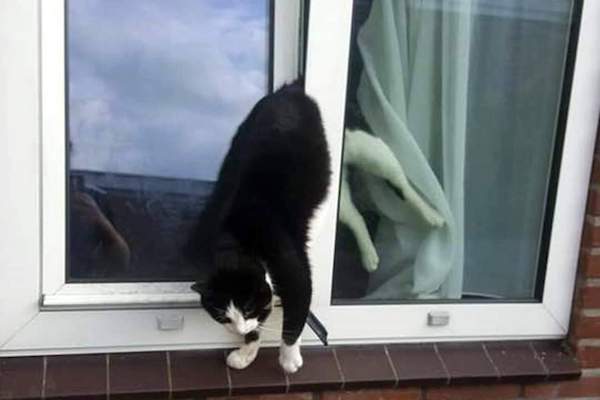
At the house of VetopetAs mobile veterinarians serving Brussels and the surrounding area, we frequently deal with household accidents that could unfortunately be prevented. Among these are accidents involving tilt-and-turn windows—an underestimated danger for cats that occurs particularly often during the spring and summer months.
With the arrival of warmer weather, many families open their windows to air out their homes. However, a window left in the tilt-and-turn position can pose a real danger to a cat—even a calm one or an exclusively indoor pet.
Why are tilt-and-turn windows dangerous for cats?
Cats are naturally curious. Drawn by fresh air, a bird, an outside noise, or simply their instinct to explore, they may try to squeeze through the narrow opening created by a tilt-and-turn window.
The problem is that this opening narrows towards the bottom. While attempting to pass through, the cat can slip and become trapped at the abdomen, chest, or pelvis. The more the animal panics and struggles, the greater the compression becomes.
In veterinary medicine, this accident has a well-known name: "tilt-and-turn window syndrome."
A household accident that is more common than you might think
Many owners are still unaware of the real danger posed by tilt-and-turn windows—a hazard often underestimated when it comes to cats. Yet, mobile veterinarians in Brussels regularly encounter this type of veterinary emergency, especially during warm weather.
Even an indoor cat can fall victim to an accident:
- a sudden noise in the street;
- a bird on the ledge;
- an unusual outdoor odor;
- a moment of inattention;
- or simply the natural urge to look outside.
It takes only a few seconds for a tragedy to occur.
What could the consequences be?
Injuries caused by a tilt-and-turn window can be extremely severe. Compression of the body impedes proper blood circulation and can cause significant internal injuries.
The most common consequences are:
- severe abdominal compression;
- breathing difficulties;
- neurological lesions;
- spinal disorder;
- fractures;
- paralysis of the hind limbs;
- internal hemorrhages;
- state of shock;
- life-threatening situation.
In some cases, symptoms may appear mild at first before worsening rapidly over the following hours.
What signs should raise an alarm?
Following an accident involving a tilt-and-turn window, a cat may exhibit:
- rapid or difficult breathing;
- a significant weakness;
- pain;
- difficulty walking;
- cold paws;
- partial paralysis;
- unusual meowing;
- a state of panic or despondency.
Even if the cat appears to be doing relatively well after being freed, an urgent veterinary consultation remains essential.
What should you do if your cat gets stuck in a tilt-and-turn window?
If your cat is stuck:
- stay calm;
- gently support its body;
- avoid pulling sharply;
- release it gently if possible;
- Contact a veterinarian immediately.
Following this type of accident, a prompt veterinary assessment is essential to detect any potential internal or neurological injuries.
How can accidents be prevented?
Prevention remains the best protection.
Advice from our home-visit veterinarians in Brussels
✔️ Never leave a tilt-and-turn window open unattended when your cat is present.
✔️ Install suitable protective measures:
- side safety grilles;
- protective nets;
- Specialized restrictors for tilt-and-turn windows.
✔️ Secure access points for both apartments and houses.
✔️ Keep a closer eye on young, very curious, or active cats.
✔️ Spread the word: many pet owners are not yet aware of this household danger.
A danger that also affects indoor cats
Many people believe that a cat living exclusively in an apartment is completely safe. However, household accidents are common among indoor cats, particularly in large cities like Brussels.
A partially open window may seem harmless to a human, but it can become a deadly trap for an animal.
Vetopet: mobile veterinarian in Brussels and the surrounding area
At the house of VetopetWe provide in-home veterinary consultations for dogs and cats in Brussels and the surrounding areas. We assist families with general consultations, veterinary emergencies, preventive care, and safety advice for pets.
Our goal is also to raise awareness among owners in order to prevent accidents that can be tragic, yet avoidable.
In summary
Tilt-and-turn windows pose a real danger to cats, even those that live exclusively indoors. Many accidents occurring each year could be prevented with a few simple precautionary measures.
A simple act can save a life:
- securing one's windows;
- remain vigilant;
- and raise awareness among those around them.
💬 A curious cat remains an at-risk cat, even at home.
📢 Remember to share this article to help prevent household accidents involving cats in Brussels and beyond.
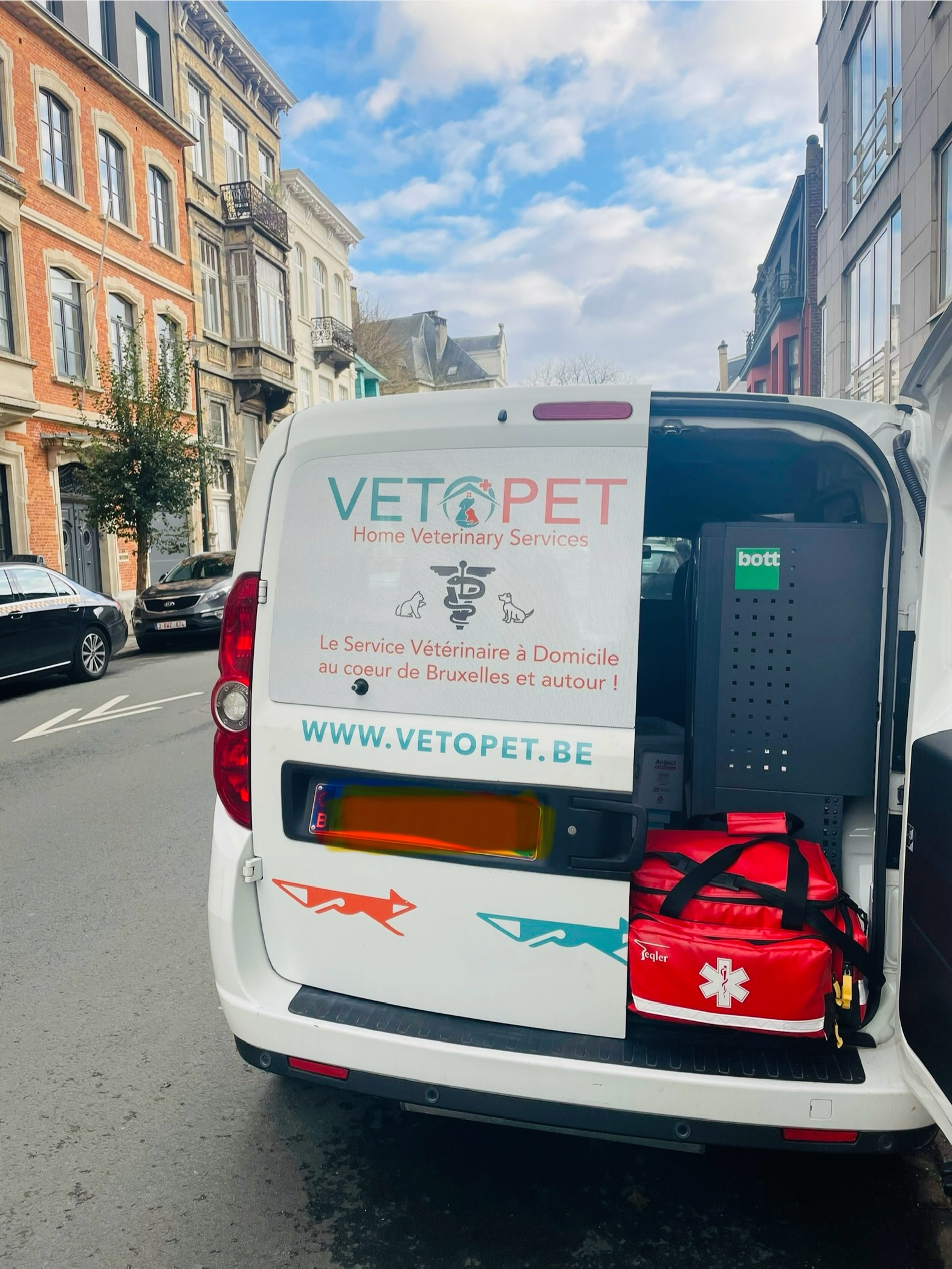
Veterinarian makes house calls: The service that simplifies life for pet owners.
What is a mobile veterinarian?
A mobile veterinarian is an animal health professional who travels directly to pet owners' homes to provide medical care. This increasingly popular service allows animals to receive care in a familiar and comfortable environment, thereby reducing the stress that a clinic visit can cause.
Why choose a mobile veterinarian?
Opting for a mobile veterinarian offers numerous advantages for both pets and their owners. This service is particularly beneficial for anxious animals, the elderly or those with limited mobility, and anyone who prefers to avoid veterinary clinic waiting rooms. But that’s not all—let’s take a look at all the benefits this service provides.
Benefits of a mobile veterinarian:
Comfort for the animal
Imagine how much more at ease your pet feels at home. There is no need to force them into a carrier or expose them to the stressful noises and smells of a clinic. Your pet remains in their familiar environment, which significantly reduces their anxiety.
Time savings for the owner
Having an emergency vet come to your home means you no longer have to travel. There are no more long waits in waiting rooms or trips to transport your pet. You save time, and your pet avoids the stress of travel.
Less stress for the animal
Clinic visits can be traumatic for some animals. Noises, other animals, and unfamiliar smells can cause agitation. At home, they feel safe, allowing for a more relaxed and effective consultation.
Services offered by an emergency mobile veterinarian
General consultations
Just like in a clinic, the emergency home-visit veterinarian performs routine consultations, assesses your pet's general condition, and recommends appropriate treatments if necessary.
Vaccinations
Vaccinations, which are essential for your pet's good health, can also be administered at your home, without the need to visit a clinic.
EMERGENCIES vétérinaires
In an emergency, many mobile veterinarians offer rapid, responsive services, allowing emergencies to be treated directly at your home. However, certain more complex procedures require a visit to a clinic.
Care for elderly or disabled animals
Elderly or disabled animals can benefit from in-home care without the stress of travel, ensuring a better quality of life for them.
At-home euthanasia
During difficult times, such as an animal's end of life, at-home euthanasia allows for saying goodbye in an environment that is peaceful and familiar to the animal.
How do I find a mobile veterinarian?
Online search
Many websites list mobile veterinarians in your area. A simple online search can help you find a practitioner who meets your needs.
Word of mouth
Asking other pet owners or your regular veterinarian for recommendations can be an excellent way to find a trusted professional.
Specialized platforms
Online platforms specializing in in-home veterinary services can connect you with qualified practitioners near you.
Costs of in-home veterinary services
Comparison with traditional clinics
Home consultations can be slightly more expensive than clinic visits, but this depends on the service provided. The comfort and convenience often justify this price difference.
Factors influencing the price
The cost of in-home veterinary services varies depending on the distance, the care required, and your pet's specific needs.
Tips for saving on veterinary services
You can reduce costs by scheduling group visits with other pet owners in your neighborhood or by opting for annual packages.
Specific situations where a home-visit veterinarian is essential
Anxious animals
For animals that are particularly nervous or aggressive outside their own environment, a home visit may be the best option to avoid unnecessary stress.
Homeowners with reduced mobility
Elderly people or those with mobility issues can greatly benefit from this service, as it saves them from having to travel.
Animals at the end of life
When an animal reaches the end of its life, providing care at home allows it to spend its final moments in a peaceful and comfortable environment.
The limitations of in-home veterinary care
Surgical procedures
Certain procedures, particularly complex surgeries, cannot be performed at home. In such cases, a clinic remains necessary.
Specialized examinations
Certain examinations, such as X-rays, require specialized equipment that cannot be moved.
Conclusion
An emergency home-visit veterinarian offers a practical, convenient, and often less stressful solution for both pets and their owners. Although certain specific treatments still require a clinic visit, the benefits of this service are numerous and can greatly improve your pet's care experience.
FAQs
1. Is a mobile veterinarian more expensive?
Yes, it can be slightly more expensive due to the travel involved, but the convenience is often worth it.
2. Can you get medication delivered directly to your home?
Yes, mobile veterinarians can provide medication or prescribe whatever is necessary.
3. What types of animals are eligible for home visits?
Most mobile veterinarians treat dogs, cats, and sometimes other pets such as rabbits or birds.
4. How do you prepare for a home visit from a veterinarian?
Ensure your pet is accessible, prepare a quiet space, and have veterinary documents close at hand.
5. Are mobile veterinarians available for emergencies?
Some veterinarians offer emergency services, but this depends on their availability and the severity of the situation.

Caring for pets means offering them much more than just affection: it means ensuring their health and well-being throughout their lives. However, visits to the veterinary clinic can sometimes be complicated, whether due to the stress they cause the animal, lack of time, or travel constraints for owners. This is where home veterinary care comes in, an innovative and practical alternative that is enjoying increasing popularity.
In this article, we will explore the many benefits of the treatments. in-home veterinary services ...proposed, and why this solution could be ideal for your pet.
Why is home care so popular?
The concept of in-home veterinary care is based on a simple idea: allowing your pets to receive quality care in the comfort and safety of their familiar environment. This approach offers numerous advantages:
1. Stress reduction for animals
For many animals, the mere act of leaving home can be a major source of stress. Car travel, waiting in a crowded room, and the unfamiliar noises of the clinic can unsettle your companion. At home, however, they remain in their usual environment, surrounded by familiar surroundings, which helps minimize anxiety.
2. A practical solution for property owners
Modern life is often hectic, and finding the time to take your pet to the clinic can be difficult. In-home care eliminates the need to travel, saving you both time and energy. Furthermore, mobile veterinarians often offer flexible scheduling to accommodate your timetable.
3. Personalized and attentive care
A veterinarian who makes house calls can directly observe the animal's living environment. This enables them to better understand its behavior and specific needs. This holistic approach is particularly useful for identifying the causes of certain health issues linked to the living environment.
What types of veterinary services can be performed at home?
Contrary to what one might think, in-home veterinary care is not limited to standard consultations.
Here is a partial list of available services:
1. General consultations
Health check-ups, vaccinations, and routine examinations can be performed right in your home. These consultations ensure regular monitoring of your pet's health without disrupting their routine.
2. Preventive care
Prevention is essential for ensuring your animals' good health. Mobile veterinarians can administer antiparasitic treatments and dewormers, or provide advice on nutrition and hygiene.
3. Specific treatments and emergencies
Certain minor ailments—such as digestive issues, superficial injuries, ear infections, lameness, or anorexia—can be treated at home. If necessary, the veterinarian can also provide an initial diagnosis and recommend follow-up care at the clinic.
4. Care for senior animals or those with mobility issues
Elderly animals or those with physical disabilities particularly benefit from home care. This spares them the stress of travel while allowing them to receive the medical attention they need.
5. End-of-life support
When an animal reaches the end of its life, the goal is to provide maximum comfort. Home-based palliative care makes it possible to manage pain, monitor the animal's general condition, and ensure a dignified end of life, surrounded by loved ones.
What happens during a consultation Mobile veterinarian?
A home veterinary consultation generally follows a structured process to ensure that every aspect of the animal's health is taken into account:
- Initial meeting with the owner
The veterinarian begins by asking questions about the animal's medical history, diet, recent behavior, and any other concerning symptoms. - Examination of the animal
The clinical examination of the animal takes place in a calm and familiar setting. This includes observing its natural behavior, which can be difficult to see in a clinical environment. - Proposed care plan
After the examination, the veterinarian discusses the necessary care and treatment options. This may include prescriptions, lifestyle advice, or, if needed, a referral to a clinic for further testing. - Personalized follow-up
Follow-up is an essential component of in-home veterinary care. The veterinarian can stay in touch with you to monitor your pet's progress and adjust the treatment if necessary.
In which cases is home care particularly recommended?
Certain situations make home care particularly advantageous:
- Need a quick consultation without the wait? Sometimes, it may not be possible to get a quick appointment with your regular veterinarian; a home visit allows for an assessment of the animal's general condition and helps point towards a diagnosis more quickly.
- Nervous or anxious animals : Those who react poorly to clinical environments benefit greatly from this approach.
- Homeowners with reduced mobility If you have difficulty getting around, home care is an ideal solution.
- Large families Managing a trip with multiple animals can be complicated; at home, they can all be seen in a single visit.
- Rural or isolated environments Owners living far from clinics appreciate the option of having a veterinarian come to their doorstep.
Advantages and limitations of in-home veterinary care
Although in-home veterinary care offers numerous advantages, it is important to recognize its limitations in order to make an informed choice.
Benefits :
- Stress reduction for the animal.
- Convenience and time savings for property owners.
- Tailor-made care, adapted to the animal's living environment.
Boundaries :
- Certain specialized equipment, such as medical imaging machines (X-ray), cannot be transported to the patient's home.
- Major surgical procedures always require a visit to a clinic.
Why opt for in-home veterinary care?
Home-based veterinary care offers a modern solution, tailored to the specific needs of animals and their owners. They offer a unique combination of comfort, practicality, and quality care, all within a soothing environment for the animal.
If you are looking for a gentler, more personalized approach for your pets, do not hesitate to try our in-home veterinary services. Contact us today to find out how we can care for your companions with professionalism and compassion.
EXCELLENTTrustindex verifies that the original source of the review is Google. Excellent vétérinaire, réactif et surtout précautionneux et à l'écoute des besoins des animaux. J'ai sollicité ses services pour mon chat et il a su rapidement le soulager et trouver la cause de ses douleurs. Encore merci à lui pour ses soins, je recommande vivement!Posted on GoogleTrustindex verifies that the original source of the review is Google. Super vétérinaire, très doux avec les animaux et prend le tempsPosted on GoogleTrustindex verifies that the original source of the review is Google. Excellent servicePosted on GoogleTrustindex verifies that the original source of the review is Google. It was an amazing experience. We definitely will use this service from now on. So convenient, the vet was very kind and took care of our dog’s vaccinations.Posted on GoogleTrustindex verifies that the original source of the review is Google. Vétérinaire au top! Il m’avait déjà aidé pour mon premier bébé qui avait fait une grosse réaction allergique et il a également été là par deux fois pour mon second fluffy . C’est tout simplement devenu notre vétérinaire! Il avait vu juste à chaque fois et il est extrêmement délicat et soucieux de nos petits bébés! Recommandé sans hésitation !Posted on GoogleTrustindex verifies that the original source of the review is Google. Un immense merci au Dr. Sahsahi, qui est intervenu en urgence pour nous aider avec notre cher vieux Pollux. Dans cette terrible épreuve, il nous a accompagnés avec une humanité rare et précieuse. Sa gentillesse, sa patience, sa douceur et son empathie nous ont profondément touchés et nous ont apporté un grand réconfort. Grâce à lui, Pollux a pu partir dignement, entouré de bienveillance. Merci du fond cœur.Posted on GoogleTrustindex verifies that the original source of the review is Google. Vétérinaire au top je l ai appelé pour le chien de mes beaux parents qui ne savent plus se déplacer intervention très rapide et efficace et les tarifs sont tout à fait correct je recommande vivementVerified by TrustindexTrustindex verified badge is the Universal Symbol of Trust. Only the greatest companies can get the verified badge who has a review score above 4.5, based on customer reviews over the past 12 months. Read more